Stop Fighting the Humidity — Coastal Heat Is a Performance Multiplier When You Train It Right
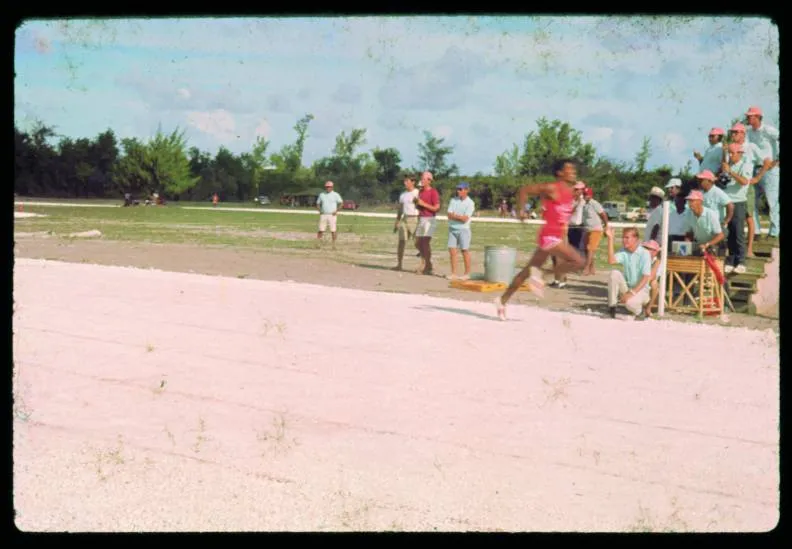
Photo: Trust Territory of the Pacific Islands, Department of Public Affairs, Public Information Office, Public domain, via Wikimedia Commons
You've been there. It's 8 a.m. on a July morning somewhere along the Gulf Coast or the Carolina shoreline, and the air feels like a warm, wet blanket draped over your entire body. Your shirt is soaked before you've even hit your first sprint. Your lungs feel like they're working twice as hard just to pull in a breath.
Most people — even dedicated beach athletes — write off days like that as bad training days. They cut the session short, dial back the intensity, or skip it entirely and wait for a cooler window.
That's leaving serious performance gains on the table.
Humidity isn't an obstacle. It's a stimulus. And when you learn how to work with it instead of against it, it becomes one of the most effective cardiovascular and metabolic conditioning tools available — completely free, right outside your door.
What's Actually Happening to Your Body in Humid Air
Let's get into the science for a second, because understanding the mechanism is what separates athletes who use humidity intentionally from those who just suffer through it.
When you exercise in high humidity — typically anything above 60 to 70 percent relative humidity — your body's primary cooling system, sweat evaporation, becomes significantly less efficient. Normally, sweat evaporates off your skin and carries heat away from your core. In a humid environment, the air is already saturated with moisture, so that evaporation slows way down. Your core temperature climbs faster, your cardiovascular system works harder to circulate blood to the skin for cooling, and your heart rate elevates at effort levels that would feel moderate in dry conditions.
Here's where it gets interesting: that extra cardiovascular stress is a training signal. Your body responds to it the same way it responds to altitude or heat training — by adapting. Over several weeks of consistent exposure, your plasma volume expands, meaning your blood becomes more efficient at delivering oxygen to working muscles. Your sweat rate increases and your sweat composition changes, so you actually cool yourself more effectively over time. Your heart rate at a given pace drops. Your perceived exertion decreases.
In other words, you get fitter — specifically in ways that translate to better endurance, better metabolic conditioning, and better performance when conditions are tough.
The Coastal Humidity Advantage Most Athletes Miss
Here's something worth pointing out: beach environments offer a unique version of humid-heat training that's different from, say, training in an inland swamp or a muggy Midwestern summer.
Coastal humidity tends to come with sea breezes, which provide intermittent cooling even when the air is thick. That natural variation — moments of breeze-assisted relief followed by still, heavy air — creates a kind of natural interval effect on your thermoregulation system. Your body is constantly adjusting, which builds a more dynamic and resilient heat response than you'd get from a static, controlled environment.
On top of that, the salt content in coastal air has been shown to support respiratory function by helping keep airways clear and moist. So while you're working harder cardiovascularly, your lungs aren't necessarily fighting the same kind of dryness that can limit performance in desert heat.
The shore is doing you favors you probably haven't been acknowledging.
How to Actually Structure Humidity-Based Training
The key word here is intentional. Wandering into a humid beach session without a plan is how people get heat exhaustion. Approaching it strategically is how people get faster.
Start with a humidity threshold week. If you're new to training in high-humidity conditions, spend the first week simply acclimating. Keep your intensity moderate — think steady-state cardio, bodyweight circuits, or light resistance work on the sand. Your only goal is to get your body used to regulating temperature under these conditions without pushing hard enough to overheat. Most people need 10 to 14 days of consistent exposure before their heat adaptations really kick in.
Use humidity for your aerobic base work. Once you're acclimated, humid mornings are ideal for longer, lower-intensity sessions — beach runs, paddling, open-water swims, or extended sand circuits. The elevated cardiovascular load at moderate effort means you're getting more aerobic stimulus without having to jack up your pace. Think of it like running at altitude: the environment is doing some of the work for you.
Save high-intensity work for the edges of the day. Early morning before the heat peaks, or late evening after it breaks, are your windows for sprint work, HIIT sessions, or anything that requires maximum output. You'll still get the residual heat benefits without the added risk that comes from all-out effort in peak afternoon humidity.
Hydration is non-negotiable — but it's also more strategic than you think. In humid conditions, you can lose anywhere from one to two liters of sweat per hour during moderate exercise. Drinking plain water is fine for sessions under 60 minutes, but for anything longer, you need electrolytes — particularly sodium — to replace what you're losing and help your body actually absorb the fluids you're taking in. Pre-loading with a sodium-rich snack or electrolyte drink 30 to 45 minutes before a long humid session makes a measurable difference in how you feel and perform.
Riding the Seasonal Humidity Curve
One of the smarter things you can do as a beach athlete is plan your training calendar around your local humidity patterns rather than ignoring them.
Along most US coastlines — the Southeast, Gulf Coast, Mid-Atlantic, and even parts of the Pacific Northwest — humidity follows a fairly predictable seasonal arc. Late spring through early fall tends to bring the heaviest moisture, while fall and winter offer drier, cooler air.
That seasonal swing is a built-in periodization opportunity. Use the high-humidity months to build your cardiovascular base and heat tolerance. As fall rolls in and conditions cool and dry out, you'll notice a significant performance bump — your heart rate will drop, your pace will improve, and efforts that felt brutal in August will feel almost easy by October. That's not a coincidence. That's adaptation paying off.
Plan your peak performance goals — races, competitions, or personal fitness milestones — for the fall window when your body is primed from months of humid conditioning. It's a strategy that elite endurance athletes use in various forms, and it's sitting right there in your backyard if you train near the coast.
The Mental Edge You Build Without Even Trying
There's one more benefit worth mentioning, even though it's harder to quantify: training through genuine discomfort builds a mental toughness that controlled gym environments simply can't replicate.
When you've logged sessions in 90-degree heat with 85 percent humidity and come out the other side having hit your targets, your confidence in what you're capable of changes. You stop looking for perfect conditions. You stop making excuses. You start showing up differently — because you've already proven to yourself that you can handle the hard version.
The beach doesn't always make it easy. But it always makes you better — if you're willing to work with what it gives you.
So next time the forecast looks thick and heavy, don't reach for a reason to stay inside. Lace up, get out there, and let the humidity do its job.